
Treating a baby's group B Strep infection
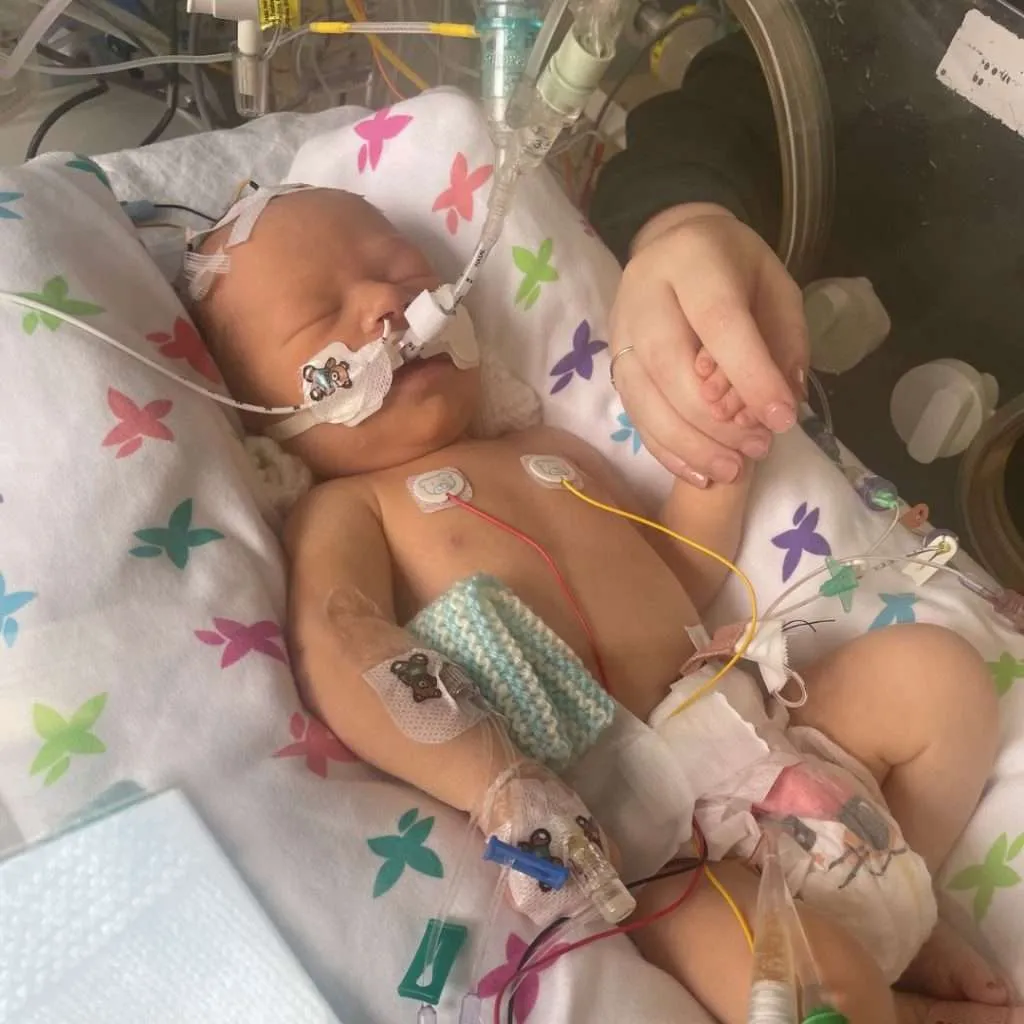
What to expect in hospital
If doctors suspect your baby has a group B Strep infection, treatment will usually start straight away, without waiting for test results.
Your baby may have tests to check for infection and help doctors understand how unwell they are. These may include blood tests and, in some circumstances, a lumbar puncture, where a small sample of fluid from around the spinal cord is taken to check for meningitis.
Babies with group B Strep infection are usually treated in hospital with antibiotics given directly into a vein. Some babies may also need extra support with feeding, breathing or keeping warm while they recover.
The medical team should keep you informed about what is happening, explain test results and treatment, and give you opportunities to ask questions.

Treatment
GBS infection needs urgent treatment with antibiotics given directly into a vein (intravenously). Treatment should start as soon as possible and should not be delayed.
Antibiotics are usually given for at least 7 days, or at least 14 days if meningitis is present.
Most babies with GBS infection recover with prompt treatment. Some babies will need specialist care in a neonatal unit, and babies who are very unwell may need to be transferred to a hospital with specialist facilities.
Sadly, some babies die from GBS infection. Around 1 in every 16 babies who develop GBS infection die, including around 5% of babies with early-onset and around 8% with late-onset GBS infection.
If you have twins or other multiple births
If one baby from a multiple birth develops GBS infection, their sibling or siblings will also need assessment and treatment, even if they appear well. Your medical team will explain what is recommended for your babies.
Can my baby get GBS infection again?
GBS infection can occasionally happen again after a baby has recovered. This is uncommon, with recurrence estimated at around 1–3%. There is currently no established treatment that can prevent GBS infection from recurring.
Make sure you know the signs of GBS infection and seek urgent medical advice if your baby becomes unwell or you are worried about them. Trust your instincts.
Before taking your baby home
Before your baby goes home after a GBS infection, the medical team should check that they are well enough to leave hospital and talk to you about any follow-up care they may need.
This may include:
- Full examination by a paediatrician
- A review of your baby’s observations and clinical condition
- Blood tests, including a full blood count and CRP (C-reactive protein).
Before you leave, ask the medical team about anything you are unsure about and what you should look out for once your baby is home.

More information
Find more information about GBS infection in babies, recovery and support for families.

Group B Strep in babies
Find out about early- and late-onset GBS infection and how they can affect babies.

Bereavement support
Find specialist information and organisations that can support you following the loss of a baby.

After your baby's group B Strep infection
Information about recovery, follow-up care, possible longer-term effects and support for your family.
Helpline

Our friendly team is here to help
Our Helpline provides clear, confidential information and support about group B Strep.
Whether you have questions about GBS in pregnancy, testing, GBS infection in babies, or something that has happened to you or your family, our team can help you understand the information available and find relevant sources of further support.
We can’t diagnose illness, provide medical advice or offer counselling. If you or someone you are concerned about is unwell or needs medical advice, please contact a healthcare professional.
Our Helpline is available Monday to Friday, 9am to 5pm (excluding Bank Holidays).
Call 0330 120 0796 or email [email protected]
Frequently asked questions
Find quick answers to common questions about group B Strep, testing, pregnancy, labour and newborn babies.
Stay up to date
Keep up to date with our work, campaigns and ways to get involved, or sign up for updates for health professionals.